When I first traveled to Cusco, I assumed the city’s greatest appeal lay in its Inca ruins, ancient stone walls, and the journey to Machu Picchu.
However, after spending a few days there, I discovered another unforgettable charm: the local cuisine.
Cusco’s food culture is steeped in history, much like the city itself.
The food here does more than just satisfy the palate; it embodies a way of life that has existed in the Andes for centuries.
From fresh produce in local markets and traditional Peruvian dishes to restaurants blending modern creativity, every meal felt like a way to get to know the land.
When I first began exploring Cusco’s food scene, I—like many tourists—was unfamiliar with some of the ingredients.
Staples of the traditional Peruvian diet include quinoa, corn, potatoes, alpaca meat, and guinea pig dishes.
Yet, as my journey progressed, I grew increasingly fond of this distinctive culinary culture.
I realized that a truly rewarding trip isn’t just about sightseeing; it’s also about discovering a country through its food.
Breakfast in Cusco: Starting the Day in a Mountain City with Peruvian Coffee
One of my favorite things to do while traveling in Cusco was to start the day at a local café.
Nestled in the Andes, Cusco moves at a more leisurely pace than big cities.
Walking through the streets of the old town in the early morning, I could watch the locals begin their day.
Some headed to the market for ingredients, others chatted in cafés, and some prepared for work.
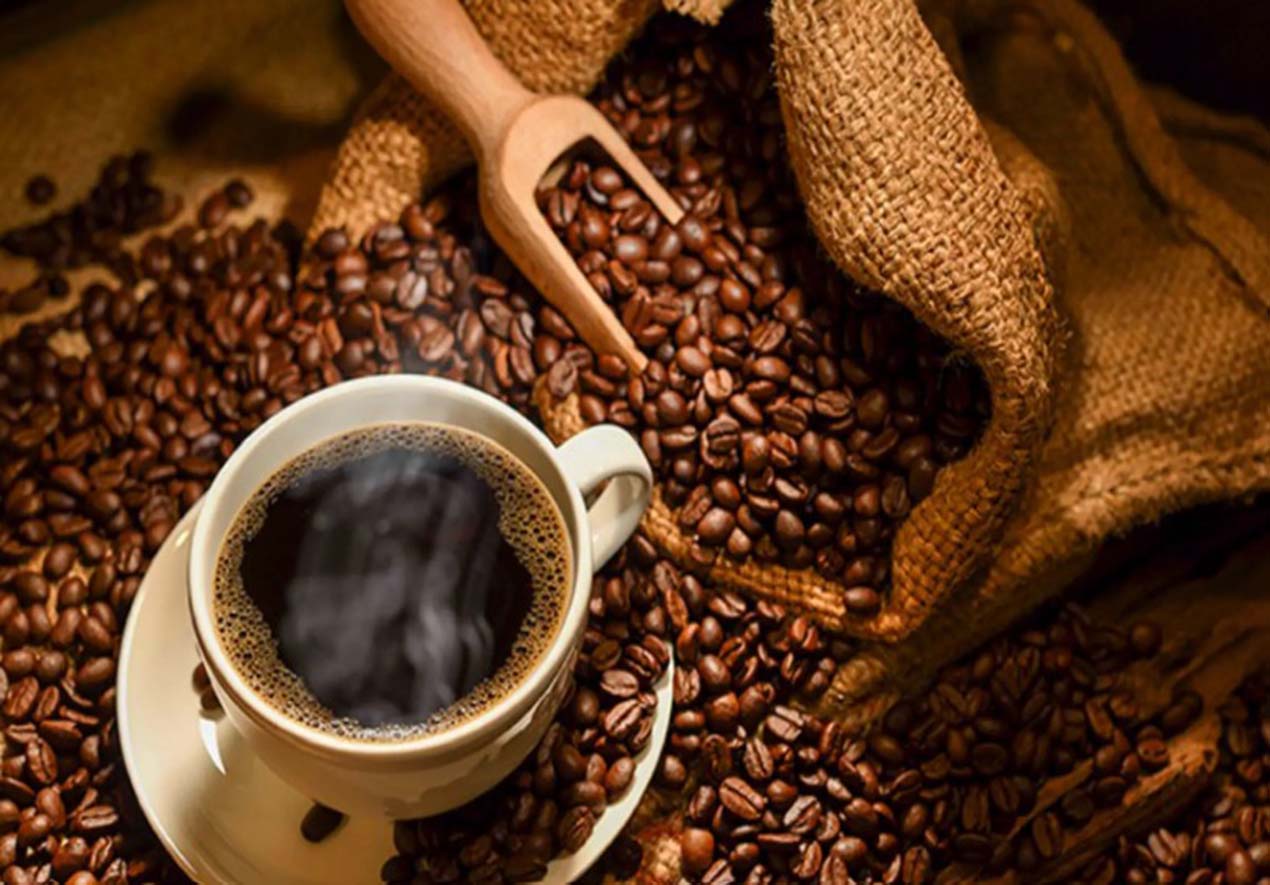
I would usually order a cup of Peruvian coffee.
Peru is home to excellent coffee-growing regions, with many beans sourced from the mountains.
My first impression of the local coffee was how natural it tasted.
Unlike some commercial coffees that are heavily processed, this coffee retained the authentic aroma of the beans.
Paired with local bread or a simple breakfast, it made for a wonderfully pleasant start to the day.
Sometimes, I would sit by the window and gaze out at the mountain city streets.
As the sunlight slowly filtered between the ancient buildings, that sense of tranquility made me feel truly immersed in life in Cusco.
Choclo con Queso: A Peruvian Corn Snack That Left a Lasting Impression
After arriving in Cusco, I discovered that Peruvians have a deep affection for corn.
The variety of corn here is immense, differing significantly from the ordinary corn I had seen before.
What impressed me the most was Choclo con Queso.
It is a very simple local snack.
It consists mainly of large-kernel corn paired with local cheese.
When I first saw it, it looked quite ordinary.
But upon tasting it, I found it to be truly distinctive.
Peruvian corn kernels are larger than ordinary corn, offering a much fuller texture.
Paired with cheese, it offers a delightful combination of the corn’s natural sweetness and the cheese’s rich aroma.
I later tried it at both markets and street stalls.
Although simple to prepare, it represents the everyday diet of the locals.
During my travels, I have grown increasingly fond of such foods—unadorned by complex packaging yet rich in local character.
Lomo Saltado: A Signature Dish of Peruvian Fusion Culture
Lomo Saltado was one of my favorite dishes while traveling in Cusco.
This dish is unique because it embodies the fusion of Peru’s diverse cultures.
It combines traditional Peruvian ingredients with Asian cooking techniques.
The main ingredients include beef, onions, tomatoes, french fries, and rice.
When I first saw the dish, the combination struck me as quite unusual.
Having rice, stir-fried beef, and french fries all together was completely different from the culinary styles I was used to.
However, upon tasting it, I found the flavors to be perfectly harmonious.
The beef remains tender after a quick stir-fry, while the onions and tomatoes add a refreshing touch; paired with the fries and rice, it makes for a truly satisfying meal.
I later learned that this dish reflects the history of immigration in Peru.
It is not merely a delicious meal but the result of cultural exchange.
It made me realize that food during travel does more than just fill your stomach—it tells the story of a nation’s development.
Ceviche: A Classic Flavor from the Peruvian Coast
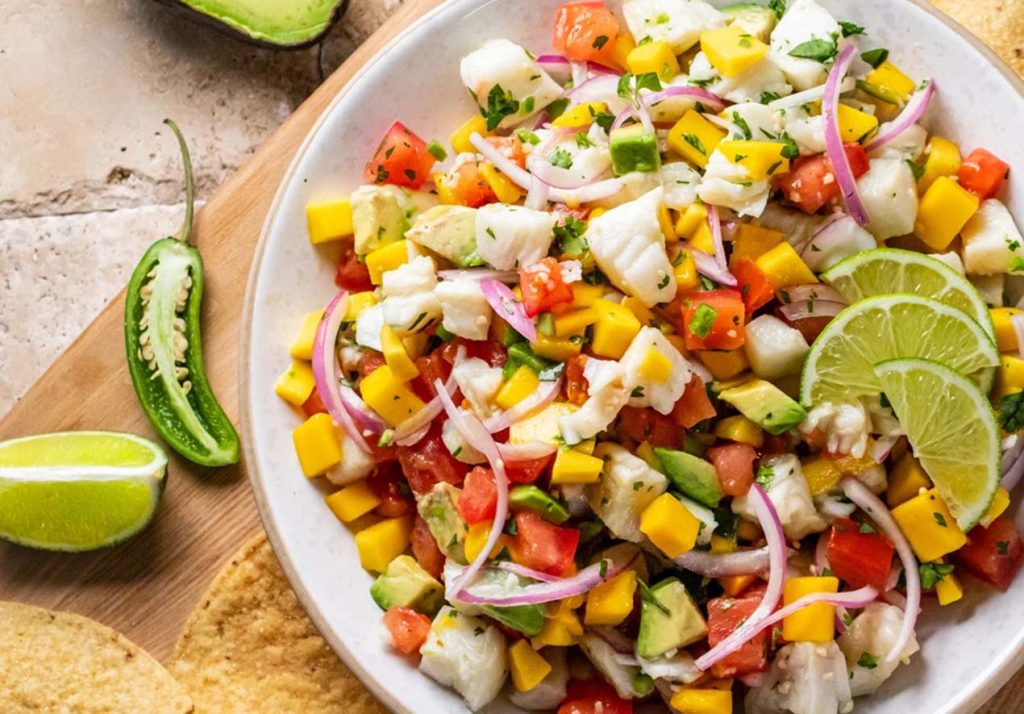
Although Cusco is located in the mountains, you can still enjoy one of Peru’s most famous dishes here: Ceviche.
This dish is typically made with fresh fish, lime juice, onions, and chili peppers. I was curious when I first tried it, as it was completely different from traditional cooked dishes.
The fresh fish, seasoned with an acidic marinade, offered a wonderfully refreshing taste.
Enjoying a fresh serving of ceviche while traveling in a high-altitude city like Cusco felt particularly delightful.
What I love about it is how it embodies the Peruvian culinary emphasis on fresh ingredients.
Although dietary habits vary significantly across different regions of Peru, ceviche has become a signature dish for the entire country.
Tasting this dish in Cusco also gave me a sense of the connections between Peru’s diverse regional cultures.
Alpaca Meat: Experiencing a Distinctive Andean Ingredient
Naturally, upon arriving in Cusco, I wanted to try some of the local specialties.
Alpaca meat is one such delicacy that many tourists choose to experience.
I was actually a bit hesitant before trying it for the first time.
After all, most people think of alpacas primarily as cute animals.
However, once I tasted it, I discovered that the flavor was far more delicate than I had imagined.
Compared to ordinary beef, alpaca meat has a lighter, more distinctive flavor profile.
Local chefs usually employ simple cooking methods to let the natural taste of the meat shine through.
For me, the significance of trying alpaca meat went beyond just tasting a new ingredient; it was about understanding the relationship between the people of the Andes and their natural environment.
The local people have long relied on regional resources, giving rise to a unique food culture.
Cuy: A Unique Experience in Cusco’s Traditional Cuisine
During my travels in Cusco, I also tried cuy—guinea pig—a dish with a distinct local character.
It is a traditional food with a long history in the Peruvian Andes.
I certainly needed a moment to mentally prepare myself when I first saw the dish.
It was unlike anything I was accustomed to eating.
But travel taught me that understanding local culture requires an open mind.
Upon tasting it, I found that it had a unique flavor and texture all its own.
In local culture, cuy is more than just ordinary food; it frequently appears at important festivals and family gatherings.
It represents tradition and history.
While it may not be to every tourist’s taste, it certainly deepened my understanding of Cusco’s culinary culture.
Peruvian Potatoes: Discovering Andean Agricultural Culture
During my travels in Cusco, I noticed something interesting:
Potatoes appear in a vast array of dishes.
Peru is one of the key places of origin for the potato and boasts a huge variety of cultivars.
In local markets, I saw potatoes of every imaginable color and shape.
There were yellow ones, purple ones, and many varieties I had never seen before.
It made me realize that even ordinary ingredients can have a long and rich history.
Throughout my trip, I sampled dishes made from various types of potatoes.
Some were simple, while others were elaborately prepared.
Yet, in every instance, I could sense the Andean region’s deep respect for the land.
San Pedro Market: Experiencing the Real Cusco Through Market Cuisine
If you want to get a glimpse into the daily lives of Cusco’s residents, I highly recommend visiting San Pedro Market.
This isn’t a tourist-oriented restaurant in the traditional sense; it is a space that truly belongs to the locals.
When I first stepped into the market, I was captivated by the vibrant colors and sounds.
There were stalls selling fruit, meat, and spices, alongside a wide array of local foods.
I loved strolling through at a leisurely pace.
I enjoyed watching locals shop for ingredients and trying out various street snacks.
Food in the market is usually more affordable and offers a genuine taste of local life.
Sometimes, a simple bowl of local soup or a quick snack was all it took for me to feel the authentic spirit of Cusco.
Cusco Desserts: A Heartwarming End to the Journey
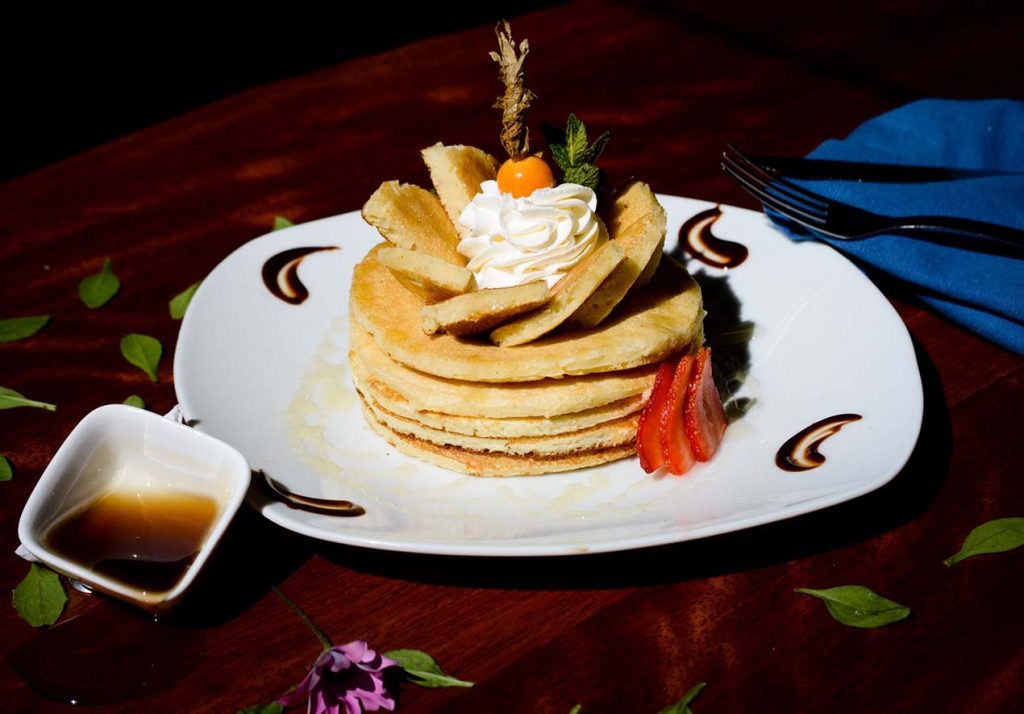
Beyond traditional savory dishes, Cusco offers plenty of desserts worth trying.
During my trip, I loved finding a small shop in the afternoon to take a break.
I’d order a dessert and a cup of coffee, then simply watch the people passing by on the street.
Peruvian desserts often feature local ingredients like chocolate, fruit, and dairy products.
The chocolate creations, in particular, left a lasting impression on me.
Peru is home to high-quality cacao, so the local chocolate has a wonderfully rich flavor.
Enjoying a dessert on a cool afternoon in this mountain city was one of the most delightful moments of my trip.
My Culinary Memories of Cusco: Food Helped Me Better Understand This Ancient Andean City
After leaving Cusco, I realized that the memories I cherished most weren’t just of the spectacular Machu Picchu or the historic feel of the ancient stone walls. Many of my memories of this city are tied to food.
Peruvian coffee in a morning café;
The large-kernel corn spotted at the market;
The delightful surprise of trying Lomo Saltado for the first time;
Gaining insight into local culture while experiencing traditional Cuy;
And the simple snacks found on the street.
These flavors brought me closer to the real Cusco.
The charm of this Andean city stems not only from the ancient Inca civilization but also from the people who live here today.
If I return to Cusco in the future, I would love to keep exploring new restaurants, markets, and traditional dishes.
For every taste is a way to understand Peruvian culture.