When I first planned my trip to Peru, Cusco wasn’t just an ordinary destination.
For many travelers to Peru, Machu Picchu is the ultimate highlight.
But as I began to truly understand the region, I realized that Cusco is the essential gateway to grasping Peru’s history and culture.
Nestled in the Andes, this ancient city was once the capital of the Inca Empire.
Today, it preserves traces of that ancient civilization while blending Spanish colonial architecture with the lives of modern Peruvians.
Walking the streets of Cusco for the first time, my strongest impression was this:
It didn’t feel like a typical tourist city; it felt like an open history book.
Ancient stone walls, narrow streets, valley vistas, local markets, and traditional culture—all of these elements constantly revealed the city’s unique charm.
During my time in Cusco, I didn’t rush to tick off every sightseeing spot; instead, I chose to explore at a leisurely pace.
I discovered that Cusco’s true appeal lies not in any single attraction, but in the palpable sense of history that permeates the entire city.
Arriving in Cusco: My First Taste of the Andean Highlands
On my first day in Cusco, my biggest challenge wasn’t the itinerary, but acclimatizing to the altitude.
Cusco sits in the Andes at an elevation of approximately 3,400 meters.
Upon arrival, I could clearly feel my body needing time to adjust.
I walked more slowly, and climbing stairs left me more exhausted than usual.
Yet, I was simultaneously captivated by the scenery.
On the drive from the airport to the city center, I saw rolling mountains, traditional houses, and a city built right into the hillside.
The landscape was completely different from the European cities I had visited before.
Cusco lacks the skyscrapers of modern metropolises, yet it possesses a unique, vibrant energy.
People in the streets wore traditional clothing, markets overflowed with local produce, and traces of Inca civilization were visible in the architecture.
In that moment, I felt I had truly stepped into the heart of South America.
Plaza de Armas: The First Stop to Understanding Cusco’s History
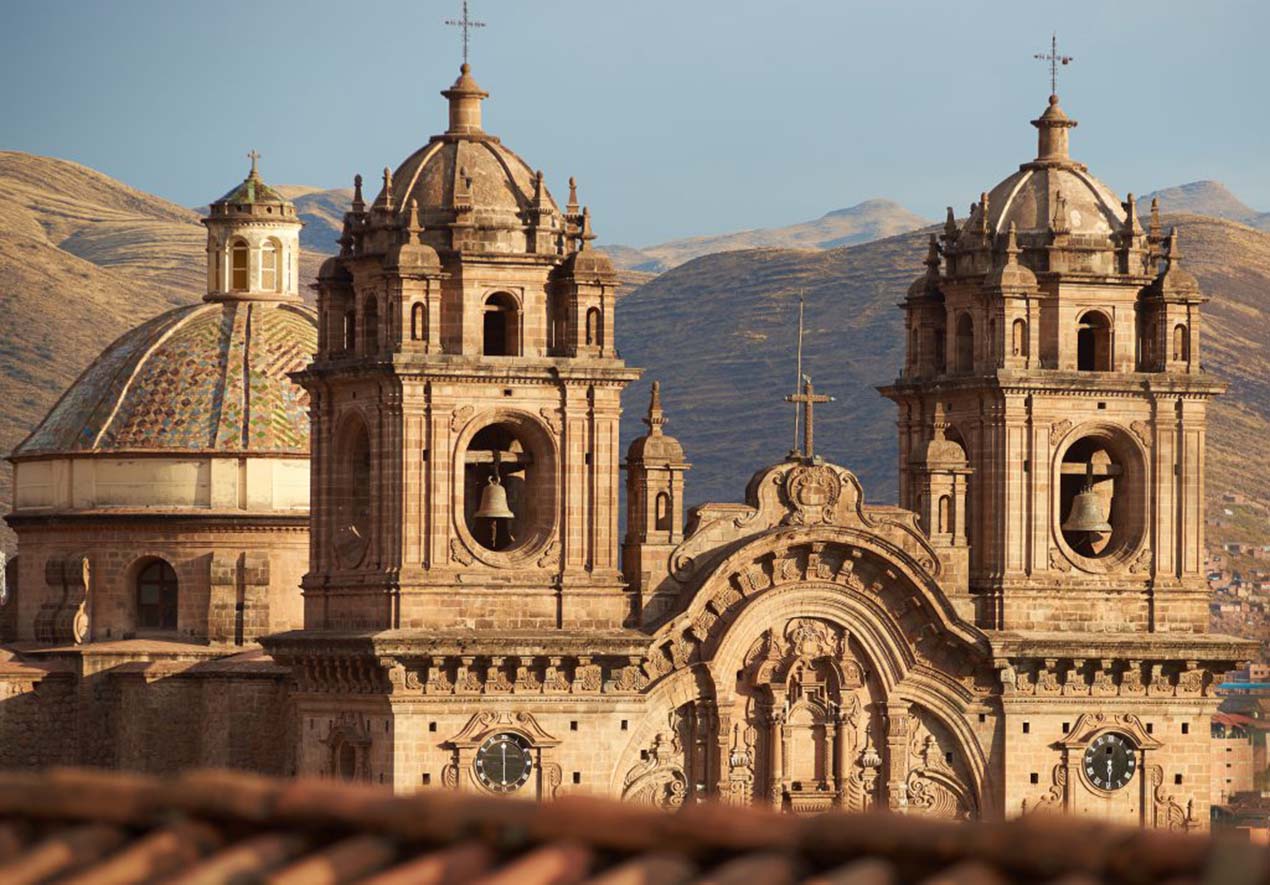
After arriving in Cusco, the first place I visited was the Plaza de Armas. For almost every tourist, this is the starting point for getting to know the city.
The square is surrounded by significant buildings, including churches, colonial-era structures, and a variety of restaurants and shops.
The first time I stood in the center of the square, I was captivated by the surroundings.
On one side stood well-preserved Spanish colonial architecture, while on the other, the enduring influence of Inca civilization was visible.
This blend of cultures is what makes Cusco so unique.
I love sitting near the square and simply observing the scene.
Tourists taking photos, locals chatting, vendors selling souvenirs, and the sound of street music drifting through the air.
It is not merely a tourist attraction; it is an integral part of local life.
In the late afternoon, sunlight bathes the building facades, casting the entire square in a warm, golden glow.
In that moment, I realized that Cusco’s charm lies not just in its history, but in the fact that this history remains a living part of the present day.
Inca Stone Walls: Experiencing the Wisdom of an Ancient Civilization
One of the most memorable experiences of my trip to Cusco was observing the Inca stone walls.
Especially when strolling through the historic district, one frequently encounters massive stone blocks that have been precision-cut and fitted together.
What amazed me most was the near-absence of visible gaps between the stones.
Standing beside these ancient structures, I found it hard to imagine how people centuries ago could have executed such intricate engineering.
I spent a long time slowly examining these walls.
Viewing them from different angles revealed the unique way the stones were arranged.
It gave me a sense of how the Inca civilization understood the relationship between architecture and nature.
They did not simply erect buildings; they utilized the environment to create harmonious spaces.
To me, these stone walls are far more compelling than mere historical ruins.
They silently bear witness to the wisdom once possessed by a remarkable civilization.
The San Blas Neighborhood: Discovering Cusco’s Artistic Side
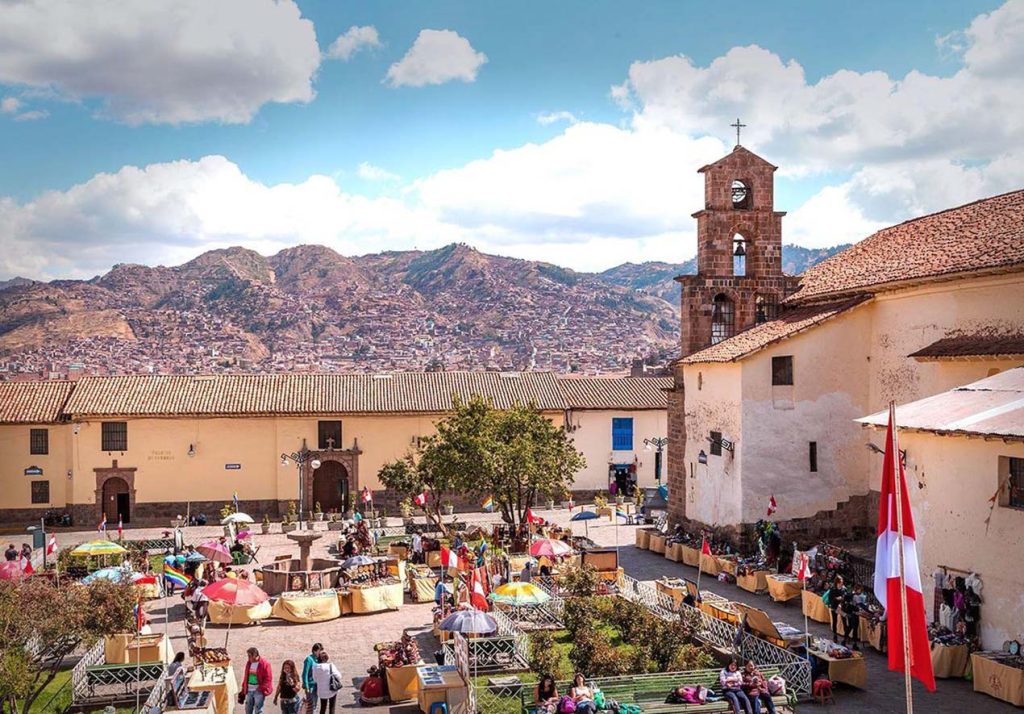
Beyond the famous landmarks, one of my favorite places is the San Blas neighborhood.
It offers a quieter atmosphere compared to the city center.
Narrow cobblestone streets, whitewashed walls, and small art galleries and craft shops give the area a unique character.
During my trip, I often took leisurely walks here.
Sometimes, without a specific destination in mind, I would simply wander into a small shop to admire works by local artists.
The area is home to a wealth of traditional handicrafts. Colorful textiles and handcrafted ornaments embody Peru’s traditional culture.
I particularly love the pace of life here.
It is free from the bustle of typical tourist zones, offering instead a glimpse into the daily lives of the locals.
Sitting at a small street-side café, gazing out at the mountain city, was one of my most relaxing moments in Cusco.
Sacsayhuamán: Overlooking Cusco from Ancient Inca Ruins
You simply cannot miss Sacsayhuamán when visiting Cusco.
This Inca site, perched above the city, left a profound impression on me.
Upon arrival, the massive stone blocks were the first things to catch my eye.
They are staggering in scale and arranged with remarkable precision.
Standing near the ruins, I could look out over the entire city of Cusco.
Mountains rose in the distance, while the architecture of the ancient city lay beneath my feet.
The view made me feel as though I were standing between the past and the present.
I especially enjoy visiting in the afternoon.
The sunlight isn’t too harsh, and the valley is bathed in a soft, gentle glow.
Many tourists snap a few photos and leave, but I chose to linger a while longer.
After all, the true treasure here isn’t a photograph, but the genuine feeling of standing amidst history.
Journey to Machu Picchu: Starting a World Heritage Adventure from Cusco
Although Machu Picchu isn’t located within Cusco itself, most travelers set out from the city to reach it.
For me, one of Cusco’s greatest values is serving as the starting point for exploring Inca civilization.
The journey to Machu Picchu is an experience in itself.
Along the way, you see the Andes Mountains, river valleys, and traditional villages.
When I finally laid eyes on Machu Picchu, the impact was beyond words.
Yet, looking back on the entire trip, I feel Cusco was just as important.
Without first immersing myself in the Inca cultural context in Cusco, the significance of Machu Picchu might not have resonated quite so deeply.
Cusco was like a key that unlocked the door to understanding Peru’s history.
Cusco Markets: Experiencing Authentic Local Life
I love exploring local markets when I travel.
Cusco’s San Pedro Market left a lasting impression on me.
It doesn’t feel like a formal tourist attraction; instead, it is a space that truly belongs to the local community. The market is filled with fruits, vegetables, spices, meat, and a variety of traditional foods.
Stepping inside, I can sense the authentic atmosphere of the city.
Local residents shop for daily necessities, vendors warmly greet customers, and tourists hunt for unique goods.
I enjoy taking my time to observe it all.
Sometimes, the truest side of a city isn’t found in its famous landmarks, but in the everyday lives of ordinary people.
The Rhythm of Cusco: A Mountain City Best Explored at a Leisurely Pace
The biggest change for me during my trip to Cusco was learning to slow down.
At first, I was used to scheduling every day according to a plan.
But I soon realized that this city isn’t meant to be rushed through.
It demands time.
Time to stroll slowly along cobblestone streets;
Time to sit and enjoy a cup of local coffee;
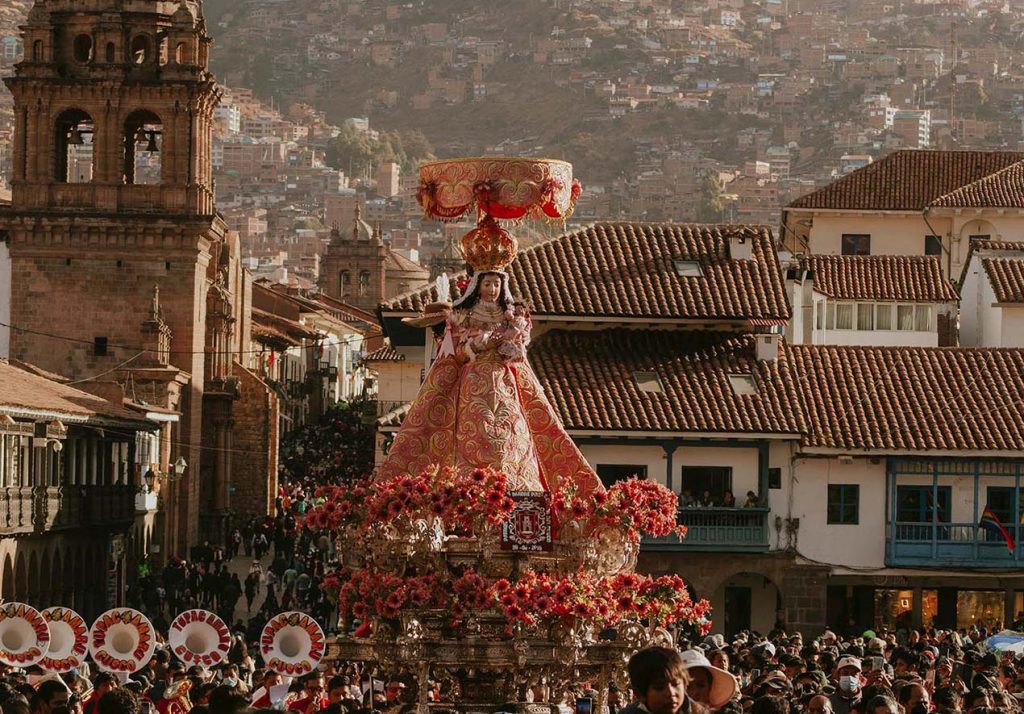
Time to interact with the locals;
Time to notice the details of the streetscape.
Cusco’s greatest charm lies in the fact that it doesn’t reveal everything at first glance.
The longer you stay, the more you discover.
Traveling in Cusco: A City Bridging the Past and Present
After leaving Cusco, I realized that the memories I cherished weren’t just of the famous tourist sites.
What truly stayed with me was the feeling the city evoked.
The morning sunlight in this mountain city;
The traces of history on ancient stone walls;
The artistic vibe of the San Blas neighborhood;
The sounds of daily life in the market;
The serenity of looking out over the city from a high vantage point.
Cusco gave me a new understanding of the meaning of travel.
Some places captivate us not because of their modern amenities, but because they preserve a unique culture and spirit.
This Andean city allows the past and the present to coexist.
If I were to visit Peru again in the future, I would certainly return to Cusco.
Because it is not merely a gateway to Machu Picchu, but a historic city worth savoring slowly.